Foot and ankle problems are often overlooked in public health discussions, yet they quietly impact millions of lives across Europe. These conditions can limit mobility, reduce independence, and lead to long-term physical and mental health consequences. As healthcare systems struggle to balance demand with cost, it is time to shine a light on the true burden of foot and ankle disabilities—and explore what can be done to alleviate it.
A Widespread Problem Hidden in Plain Sight
Across Europe, approximately 200 million people suffer from disabling foot and ankle conditions. These range from common issues like flat feet, bunions, and plantar fasciitis to more severe problems such as diabetic foot ulcers, arthritis, and post-stroke foot drop. Many of these conditions worsen over time and can significantly limit a person’s ability to walk, stand, or even remain active.
The prevalence is especially high among older adults, people with chronic illnesses like diabetes, and those with occupations that involve prolonged standing or repetitive stress. Yet because these problems often develop gradually, they may be dismissed as “just getting old” or “nothing serious,” leaving them untreated until they become disabling.
The Human Cost: Pain, Disability, and Isolation
The personal toll of foot and ankle disorders is enormous. Chronic pain can make even basic tasks—like going to the grocery store, commuting to work, or playing with children—difficult or impossible. Reduced mobility also leads to muscle loss, weight gain, poor cardiovascular health, and increased risk of falls and fractures.
Perhaps less obvious is the emotional impact. People living with mobility limitations often experience depression, anxiety, and social isolation. Their independence diminishes, and their quality of life declines. What begins as a localised issue in the foot can quickly spiral into a full-body and mental health crisis.
The Economic Burden: Millions Spent on Traditional Solutions
European healthcare systems currently spend over €300 million each year on orthotic devices like ankle-foot orthoses (AFOs), insoles, and splints to treat these conditions. But much of this investment goes toward traditional, handcrafted orthoses. These are typically produced using time-consuming and expensive methods that involve casting, molding, and manual adjustments.
While custom devices can offer relief, the manual approach makes them difficult to scale. Patients often endure long wait times, and repeat visits are needed to refine the fit. Moreover, the lack of standardisation means results can vary significantly from one provider to another.
Why Current Solutions Fall Short
There are several challenges with the current approach to orthotic care:
- Slow production timelines: It can take weeks or even months for patients to receive their custom orthotic device.
- High cost per unit: Skilled labor and manual processes increase costs significantly.
- Limited reproducibility: Since devices are made by hand, creating identical replacements is difficult.
- Low adaptability: If a patient’s condition changes, a new orthosis must often be made from scratch.
These limitations place added pressure on both patients and healthcare providers. And with an aging population, the demand for orthotic care is only set to rise.
The Need for Innovation: A Call to Action
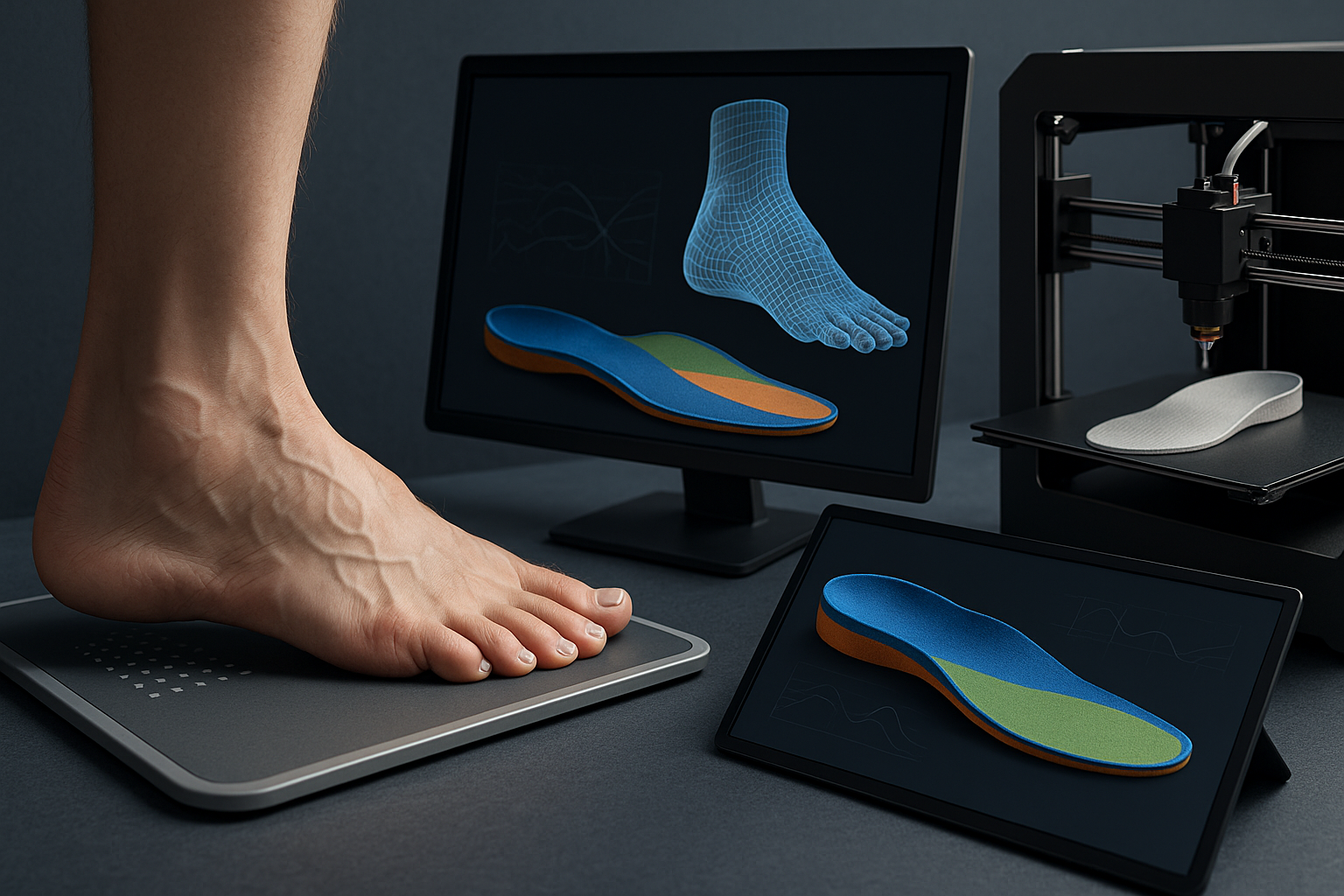
To truly address the scale of foot and ankle disabilities in Europe, we need a shift in how these conditions are treated—starting with better tools. Innovative initiatives like the A-FOOTPRINT project aim to revolutionise orthotic design and delivery through technology.
By integrating 3D scanning, digital modeling, and advanced manufacturing techniques, it becomes possible to produce orthoses that are:
- Personalised for each patient’s anatomy and needs
- Faster to produce, cutting delivery time from weeks to days
- More affordable, reducing overall healthcare costs
- Easier to reproduce, ensuring consistent quality
Such solutions not only promise to improve outcomes for individual patients but also relieve pressure on healthcare systems. They represent the future of accessible, efficient, and effective mobility care.
Conclusion: A Future Where No Step Is Painful
Foot and ankle conditions may seem like a minor inconvenience to some—but for millions of Europeans, they represent a daily struggle with pain, immobility, and frustration. The true cost is felt not only in euros spent but in lives interrupted and freedoms lost.
By acknowledging the scale of this issue and investing in smarter, faster, and more personalised solutions, we have the opportunity to restore mobility, dignity, and independence to those affected. Projects like A-FOOTPRINT offer a hopeful step forward—toward a future where no one is left behind simply because walking became too hard.